
Team Building Skills Singapore

In Singapore’s fast-paced work environment, developing strong team building skills has become essential for success.
Beyond technical expertise, teams need communication, adaptability, and leadership skills to thrive as a team.
Through the right activities, participants don’t just have fun; they also strengthen crucial team building skills that companies value most.
These include soft skills like problem-solving, motivation, and trust — all of which improve team dynamics, boost employee engagement, and help groups perform better as a team.
In this guide, you’ll discover the 7 key team building skills in Singapore that every organisation should focus on — and how they can transform your workplace culture.
Quick Summary
- Communication skills are the foundation of teamwork. Team building activities help participants practice listening skills, body language, and communication skills that improve how group members understand one another.
- Leadership and role assignment build stronger organisations. Developing these team building skills allows individuals to explore leadership styles, delegate tasks, and motivate teams effectively.
- Problem-solving skills keep teams agile. Activities like escape rooms or Amazing Races train groups to handle team problems, improve team dynamics, and resolve conflicts quickly.
- Motivation and engagement drive results. Fun, high-energy sessions boost employee engagement, inspire individuals, and keep teams working towards shared goals.
- Adaptability makes teams future-ready. In Singapore’s dynamic work environment, flexible thinking and resilience are critical skills for teams to thrive.
- Trust creates stronger collaboration. Building trust as a team builder helps participants rely on each other, increasing accountability and productivity.
- Continuous learning sustains growth. Courses, workshops, and tips on team building provide the structure organisations need to develop team building skills Singapore businesses depend on.
The 7 Key Team Building Skills in Singapore
1. Communication
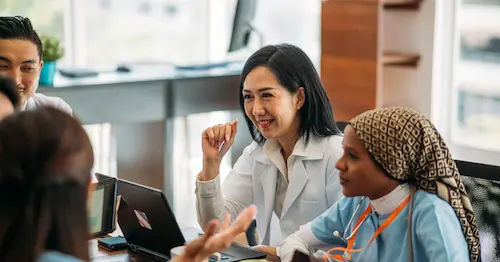
Clear communication is the foundation of teamwork skills.
Strong listening skills, awareness of body language, and open sharing help group members understand one another better while reducing misunderstandings.
In Singapore’s multicultural work environment, communication skills are vital for participants to connect across diverse backgrounds.
Team building creates a safe and enjoyable space where individuals can learn how to express ideas, clarify expectations, and give feedback without tension.
Activities like Escape Rooms, where teams must share clues under pressure, or Art Jamming workshops, where participants collaborate creatively as a team, encourage open dialogue and strengthen team dynamics.
These skills translate directly into improved employee engagement back at work.
2. Leadership and Role Assignment

Strong leadership is one of the most important team building skills in Singapore. Leaders guide the mission, assign roles, and motivate the team to achieve shared goals.
Team building allows individuals to experiment with different leadership styles, discover how to motivate group members, and understand the value of matching tasks with personal strengths.
This helps organisations nurture future leaders who can adapt to any challenge.
Activities such as an Amazing Race or the Funsical 100 challenge give participants opportunities to delegate, coordinate, and make decisions under time constraints.
These experiences build confidence in leadership while reinforcing accountability as a team.
3. Problem Solving and Conflict Resolution

Problem solving is a critical skill for teams in Singapore’s competitive work environment.
When challenges arise, teams need to work together to address them constructively rather than letting issues grow.
Through team building, participants can practice spotting problems early, resolving disagreements, and supporting one another through complex situations.
This strengthens team dynamics and ensures conflicts don’t derail productivity.
Activities like Escape Room or Art Heist immerse individuals in situations where creative thinking and collaboration are essential.
By solving these team problems together, participants build resilience and gain confidence in handling workplace conflicts.
4. Motivation and Engagement

Motivation drives productivity, morale, and long-term success. Without it, even the most skilled groups can struggle to stay on track.
In Singapore’s diverse workforce, keeping employee engagement high means understanding what inspires different cultures and personalities.
Team building helps organisations design inclusive experiences where achievements are celebrated and group members encourage each other to stay committed.
High-energy activities such as Laser Tag or Giant Board Games are excellent for lifting spirits.
They remind participants why collaboration is rewarding and transform everyday work into a more connected experience.
5. Adaptability and Flexibility

Adaptability is one of the most valuable soft skills for teams today.
Singapore’s dynamic economy requires organisations to respond quickly to change, and teams that can adjust have a clear advantage.
Team building challenges encourage participants to adapt their strategies, think on their feet, and remain calm under pressure.
By facing new and unexpected situations together, groups become more confident in navigating uncertainty.
Activities like Poolball or Fun & Furious push teams to make fast decisions and shift tactics as conditions change. These experiences mirror real workplace scenarios, helping teams stay agile in a fast-paced work environment.
6. Trust and Reliability

Trust is the glue that holds teams together.
Without it, collaboration, communication, and performance all begin to suffer.
Team building builds trust by placing participants in situations where they must depend on one another to succeed.
When group members see that their teammates deliver consistently, they learn to respect and rely on them in future projects.
Games like Combat Archery Tag or Bubble Soccer require teams to coordinate moves and depend on each other for success.
These fun scenarios foster a culture of accountability and strengthen long-term workplace relationships.
7. Developing Team Building Skills

Team building skills don’t develop overnight — they require consistent practice.
Organisations that invest in training and development show they value long-term growth.
Professional courses, workshops, and outings allow participants to refine communication skills, leadership styles, and other soft skills step by step.
They also keep teams engaged with fresh experiences that build confidence and creativity.
From Terrarium Workshops that encourage mindfulness to Leather Crafting sessions that emphasise patience and focus, activities are designed to help groups grow stronger together.
These efforts sustain continuous learning and give teams the tools they need to thrive in any organisation.
Best Team Building Activities in Singapore to Develop These Skills
1. Amazing Race

Develops adaptability and teamwork in a dynamic setting. This activity strengthens team dynamics by pushing groups to solve challenges across different locations.
Read more about Amazing Race here.
2. Art Jamming Workshops

Encourages creativity and collaboration. Teams practice listening skills, share ideas, and connect as a team while creating their own artworks.
Read more about Art Jamming Workshops here.
3. Funsical: 100

A high-energy challenge inspired by competition formats, perfect for testing leadership styles, role assignment, and motivation. Participants must coordinate effectively and rely on each other to win.
Read more about Funsical: 100 here.
4. Laser Tag

Fast-paced game that builds trust and reliability. Group members must depend on each other, boosting employee engagement and collaboration.
Read more about Laser Tag here.
5. Terrarium Workshops

Hands-on activity that supports soft skills development such as patience, focus, and problem solving. Great for continuous learning.
Read more about Terrarium Workshops here.
6. Giant Board Games

Boosts motivation and engagement in a fun, lighthearted way. These games encourage friendly competition and bring out hidden strengths in individuals.
Read more about Giant Board Games here.
7. Escape Room Puzzles

Builds communication skills, sharpens problem solving, and improves trust under pressure as participants work together to crack codes and escape in time.
Read more about Escape Room Puzzles here.
Selecting the right mix of activities ensures your team develops all seven key team building skills Singapore organisations need — from communication and trust to adaptability and leadership.
Team Building Skills Singapore
Developing strong team building skills in Singapore is no longer optional — it’s essential for any organisation that wants to thrive in today’s fast-paced work environment.
From communication and leadership to trust and adaptability, these skills help participants work better as a team, support one another, and stay motivated in the face of challenges.
The good news is that these skills don’t just come from theory — they grow through practice.
By investing in the right activities, your teams will not only enjoy memorable experiences but also gain the soft skills they need to excel back at work.
Developing these skills can be one of the most effective processes for organisations that want to strengthen teamwork in Singapore.
If you’re planning your next team building event, consider choosing activities that develop the seven key skills outlined above.
It’s a proven way to help groups strengthen teamwork skills, boost employee engagement, and build a positive work environment that lasts well beyond the event itself.
Looking for more team building inspiration? Check out our other guides below:
- Best Corporate Workshops in Singapore (2025)
- Ultimate Guide for Corporate Events in Singapore (2025)
- Team Building Benefits That Transform Company Culture in Singapore (2025)
- Best Problem-Solving Team Building Singapore Activities That You Must Try (2025)
- Best Team Building Competitions Singapore (2025)
- Best Effective Team Management Strategies in Singapore (2025)
- Best Communication Team Building Activities Singapore (2025)
- Best Leadership Team Building Activities Singapore (2025)
- Ultimate Company Retreat Singapore Guide (2025)
Frequently Asked Questions
What are the best team building activities in Singapore?
Some of the best team building activities in Singapore include Escape Rooms, Amazing Race, Art Jamming, Terrarium Workshops, Laser Tag, Combat Archery Tag, and Giant Board Games. Each activity can be tailored to the goal of a session — whether it’s improving communication styles, solving a team problem, or boosting morale among employees.
What are the C’s of team building?
There are two widely accepted definitions of the C’s in team building. The 5 C’s focus on the essentials: communication, camaraderie, commitment, confidence, and coachability. The 7 C’s expand on this with capability, cooperation, coordination, communication, cognition, coaching, and conditions. Both frameworks outline a process that guides team members on the actions you need to build collaboration, strengthen trust, and achieve shared goals across any organization.
What are team building skills?
Team building skills are the soft skills that help employees collaborate, such as communication skills, leadership, adaptability, and problem solving. These can be developed through a structured course or process involving practical activities. Strong skills ensure every team member knows what you need to achieve a shared goal.
How can unique team building activities enhance team bonding in Singapore?
Unique activities make team building more engaging and memorable. They give employees a chance to be creative, solve a team problem, and support one another outside their usual roles. When activities align with a clear goal, they reinforce teamwork in a fun yet meaningful way.
What strategies can leaders use to cultivate highly energetic teams in Singapore?
Leaders can boost energy by setting a clear goal, motivating team members, and creating opportunities for recognition. Choosing activities that focus on a specific skill — like communication styles or trust — encourages active participation. This course of action helps keep employees motivated and engaged across the whole organization.